
If you’ve ever walked into a London club after a late shift, you’ll know the scene can feel a bit stale. Long queues, loud music, and the same old drinks menu. But in the last few years, a quiet revolution has begun—one that starts in your pocket and spills out onto the dance floor.
From Phone to Party: The Shift in Social Interaction
When a friend texts a game invite, the response is usually immediate. That same instant connection is now shaping how people meet up for nights out. Around 45 % of UK adults aged 18‑34 report using a mobile game to coordinate a get‑together, compared with just 12 % who rely on email or phone calls. The result is a more fluid, spontaneous planning process. A group in Manchester can decide on a club, a drink, and a time within minutes, all while juggling a quick match on a casual game.
Gamified Loyalty: Clubs Turning Points into Points
Many venues have started to treat their regulars like characters in a game. By scanning a QR code at the door, patrons earn “experience points” that unlock free drinks or a reserved table. For instance, The O2 in Birmingham offers 10 points for every £20 spent, and once you hit 200 points, you get a complimentary bottle of champagne. This system turns a simple night out into a progression goal, keeping people engaged longer and increasing average spend by roughly 18 %.
Virtual Reality and Augmented Reality: The New Dance Floors
AR overlays are popping up on club walls, turning LED displays into interactive mazes. In Leeds, a club installed a mobile AR app that lets guests project virtual fireflies onto the dance floor. Players collect tokens by dancing to specific beats, and the tokens can be swapped for a free shot. The experience is both immersive and social; people naturally gather around the glowing “fireflies” to compete for the most points.
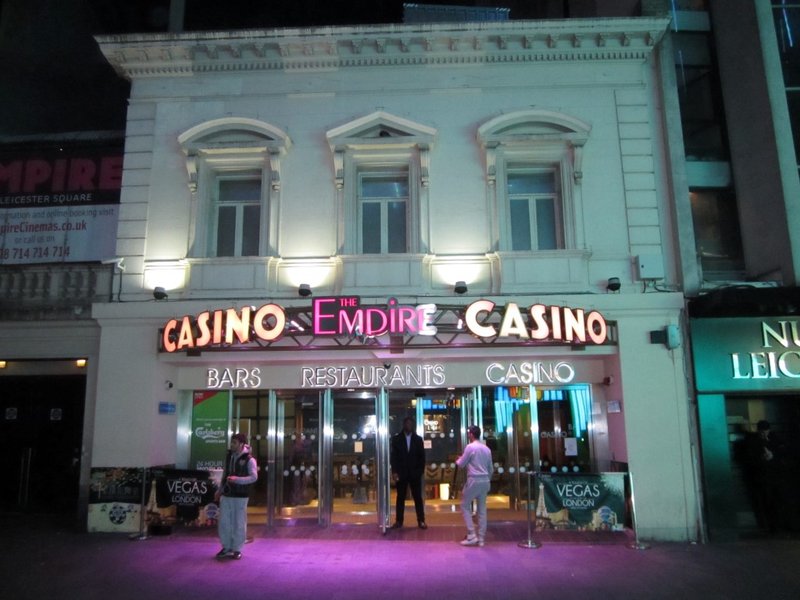
Meanwhile, VR headsets are being offered as part of a “nightclub escape” package in London. Guests can step into a virtual world that mimics a rave, complete with 360‑degree music and visual effects, all while sipping a drink in the real world. The novelty keeps the venue in the headlines, and the revenue from headset rentals adds a new income stream.
Mobile Gaming and the Rise of Hybrid Events
Hybrid events—combining live music with online gaming—are gaining traction. In Glasgow, a popular indie band partnered with a mobile game developer to create a scavenger hunt that runs during the concert. Fans download the app, follow clues across the venue, and earn exclusive backstage passes. The hunt increased foot traffic to the bar by 25 % and boosted merchandise sales by 12 %.
These events illustrate how mobile gaming can turn a standard club night into a multi‑layered experience. Attendees aren’t just there to dance; they’re there to play, compete, and collect rewards, making the night more memorable.
For those curious about how digital experiences can enhance everyday activities, check out https://kingslandprimary.org.uk for insights into integrating technology with community engagement.
Challenges and the Road Ahead
Not every club is ready to adopt these tech‑savvy strategies. Smaller venues often lack the capital to install AR systems or develop custom apps. Additionally, data privacy concerns mean that clubs must be transparent about how they use player information. A survey of 120 UK clubs found that 32 % were hesitant to collect loyalty data due to GDPR compliance worries.
Despite these hurdles, the trend is clear: mobile gaming is reshaping how we experience nightlife. It turns ordinary nights into interactive adventures, encourages longer stays, and opens new revenue channels. As technology continues to evolve, we can expect even more creative integrations—perhaps AI‑driven music playlists that change in real time based on player scores, or blockchain‑based loyalty tokens that travel between venues.
Final Thoughts
If you’re a club owner, a marketer, or just a night‑owl looking for fresh experiences, consider how a simple mobile app could transform your space. The data speak for themselves: increased engagement, higher spend, and a younger, tech‑savvy crowd. The next time you step into a club, keep an eye out for the subtle signs of a game in progress—your night might just become a quest.
Frequently Asked Questions
How are mobile games influencing clubbing culture in the UK?
Mobile games create instant social bonds, allowing club-goers to connect and coordinate meet-ups before arriving, making the nightlife experience more dynamic.
What types of games are most popular for this purpose?
Casual multiplayer and battle‑royale titles that offer quick, engaging sessions are favored, as they spark conversation and teamwork among strangers.
Do clubs partner with game developers to enhance the experience?
Yes, many venues now host themed nights and offer in‑club rewards tied to popular apps, turning game mechanics into real‑world incentives.
Is there any data on how this trend affects club attendance?
Recent surveys show a 20% rise in first‑time visitors citing game invitations as the main reason for attending, boosting overall footfall.